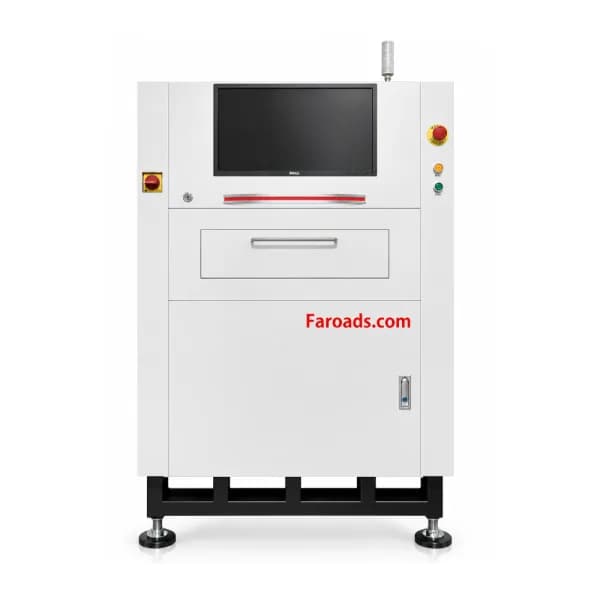
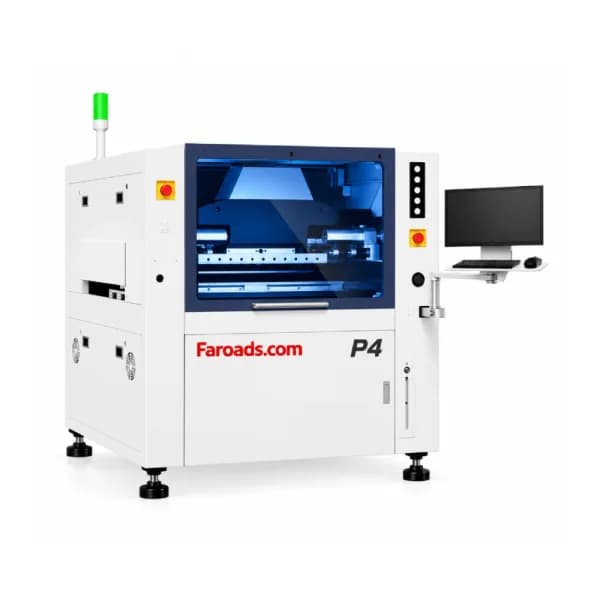
2D vs 3D AOI: Which Optical Inspection Does Your Line Need?
3D AOI measures height; 2D AOI reads images. Which one you need depends on your components, your quality obligations and where the rest of your inspection sits. Here is how to decide.
4 min read
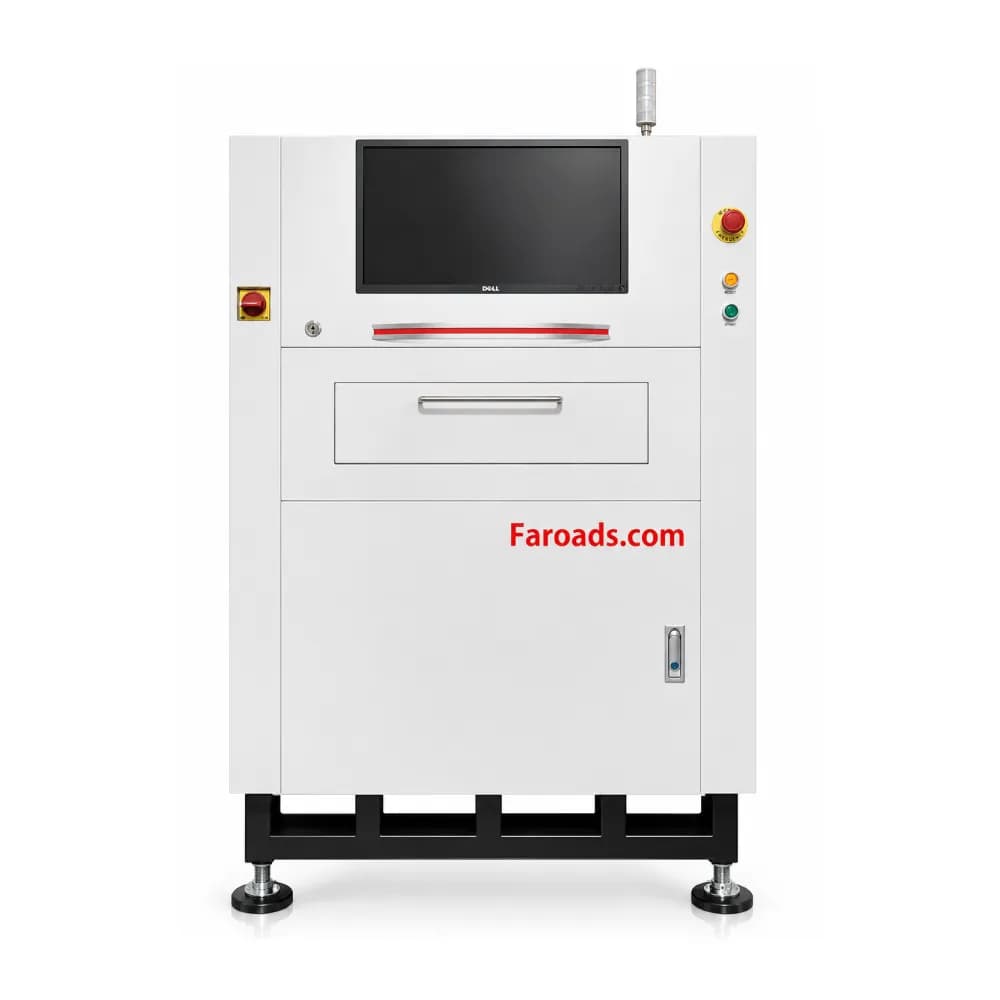
Automated optical inspection (AOI) machines are now sold in two broad types. 2D systems judge each component and joint from images taken under controlled lighting. 3D systems add a height measurement, usually by projecting patterned light or a laser line and calculating the surface shape. The 3D label is often presented as the obvious upgrade. For many lines it is, but for others it adds cost and programming work without catching defects that matter on their boards.
This guide explains how to decide. It assumes you already know you need AOI after reflow; if you are still choosing between solder paste inspection and AOI, start with our SPI vs AOI buying guide.
What each technology can see
A 2D AOI looks at a board much as an experienced inspector would through a microscope, but faster and more consistently. With good optics and multi-color lighting, it reliably finds:
- Missing, extra or wrong components, including polarity and marking checks.
- Offset, skewed and rotated parts.
- Tombstoned chips, visible solder bridges and exposed copper.
- Solder fillet shape inferred from how light reflects off the joint.
What 2D cannot do is measure height directly. It infers from brightness and color, so a lead that sits slightly above its pad, a component tilted on one side, or a joint with too little solder can look acceptable from above.
A 3D AOI measures those heights. That makes it stronger on lifted leads of gull-wing parts such as QFPs and SOICs, coplanarity, tilted or floating components, and joint volume. Neither type can see joints hidden under a BGA or bottom-terminated part; that needs X-ray.
Where the difference matters most
The deciding question is simple: on your boards, which defects can escape a 2D inspection, and what does an escape cost?
3D AOI usually earns its price when several of these apply:
- Your boards carry fine-pitch leaded ICs or many through-board connectors where lifted leads are a known risk.
- Customers require evidence for high-reliability classes, or field failures are expensive to repair.
- A 2D machine you already run produces so many false calls that operators have started to trust it less.
- Component heights vary widely and tall parts create shadows that confuse image-based checks.
2D AOI is often enough when:
- Most components are chip passives, small transistors and ICs whose defects show clearly from above.
- Products such as many LED lighting boards, power supplies and consumer boards have generous pads and mature processes.
- Budget is limited and the line has no automated inspection yet, so a capable 2D system is a large improvement over manual checks.
Put the paste measurement where it counts
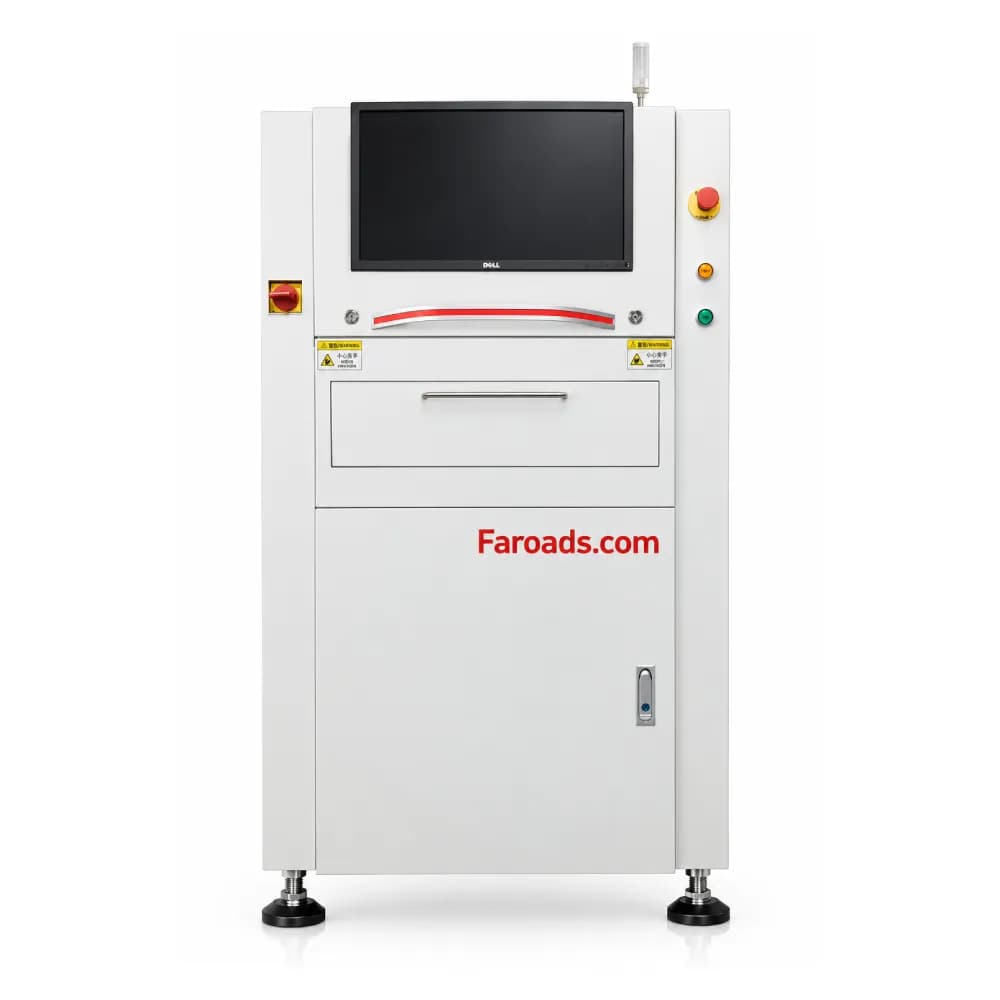
Many solder joint problems start at the printer with too much, too little or misplaced paste. A 3D SPI before placement measures paste height, area and volume on every pad while the board can still be cleaned and reprinted.
That leads to a cost-effective combination many buyers overlook: 3D SPI before placement plus 2D AOI after reflow. The SPI controls the volume risk at its source, and the AOI confirms placement and visible joint quality. FAROAD's 3D SPI machine lists phase-modulation profilometry and measures volume, area, height, XY offset and shape. Where your boards still have height-related joint risks after reflow, 3D AOI remains the stronger choice.
Speed, programming and cost drivers
Compare the technologies on the same three points.
Cycle time. Both types inspect field by field. Height measurement adds image captures and processing per field, although modern systems hide much of it. Time your own densest board on both.
Programming and false calls. 3D programs often rely on component height data, which can make libraries more robust once built. 2D programs depend heavily on lighting and thresholds. Ask for the false-call rate on your boards, not a demonstration board.
Price. 3D AOI generally costs more to buy, and the gap varies by supplier and configuration. Compare quotations for the coverage they deliver, not the label.
Run a fair comparison trial
Send each supplier the same boards: a few good assemblies and a set with known defects, including the defect types you worry about most. Ask for the number of defects caught, the number of false calls per board, the inspection time and the program-creation time. Have your own operators review the results. That evidence is worth more than any specification sheet.
Where FAROAD's AOI range fits
The AOI models FAROAD currently lists are 2D inline systems. The Inpex range uses telecentric lenses and RGB three-color lighting. The Inpex S510 lists a 5-megapixel camera as standard, with 12-megapixel and 10 μm resolution options, and accepts boards up to 460 × 350 mm. The Inpex M400 adds double-sided projection for top and bottom inspection, and the M300 inspects from below only. The S510 page lists tombstoning, offset, missing and wrong components, solder defects, pin deformation and pin shorts among detectable defects.
If your boards fall into the 2D group, or you plan to pair 3D SPI with post-reflow AOI, these systems are a practical fit. If your risk review points clearly to height-based joint inspection, raise it early so the proposal reflects that requirement rather than stretching a 2D machine beyond its role.
Frequently asked questions
Is 3D AOI always better than 2D? It measures more, but better only matters if the extra defects occur on your boards. For simple boards, a well-programmed 2D system can deliver the coverage you need at lower cost.
Can 2D AOI detect tombstoning? Usually yes, because a chip standing on one end looks clearly different from above. Confirm it on your smallest chip size during the trial.
Does 3D AOI replace X-ray? No. Optical systems cannot see joints under BGAs or other hidden terminations.
Should we buy 3D SPI or 3D AOI first? If paste-related defects dominate, 3D SPI usually gives faster payback. If lifted leads or tilted parts dominate, look at 3D AOI.
Get an inspection recommendation
Send FAROAD your component list, sample boards and quality requirements. We will propose an SPI and AOI combination and show which defects it covers. Request a quote to get started.