AOI vs Manual Visual Inspection: When Should You Automate?
Manual inspection works until volume, component size or customer requirements outgrow it. Here is how to tell when an AOI machine pays off, and how to make the switch without losing coverage.
4 min read
Most SMT lines start with people checking boards under magnifiers or microscopes. It is flexible, cheap to set up and good at spotting the unexpected. At some point, though, the volume, the component sizes or the customer's paperwork outgrow it. Automated optical inspection (AOI) is the usual next step, but the decision is less about replacing people than about changing what they spend their time on.
This guide helps you judge when that point has arrived and how to make the change without losing coverage along the way.
What manual inspection does well, and where it struggles
Trained inspectors are adaptable. They notice contamination, damaged parts, wrong labels and cosmetic problems that no program was written for. On low volumes, prototypes and new products, that judgment is valuable.
The weaknesses show up as volume rises:
- Consistency. Attention drops over a long shift, and two inspectors rarely judge borderline joints the same way.
- Small parts. Checking polarity and solder on 0402 or 0201 chips by eye is slow and tiring, even with good magnification.
- Speed. A dense board can take a minute or more to check properly. If the line produces faster than that, inspection becomes sampling, whether or not anyone calls it that.
- Records. Paper check sheets rarely show which joint on which board was inspected and what was found.
Signs it is time to automate
Look for these signals in your own data:
- Defects that should have been caught at visual inspection are reaching functional test, rework or customers.
- Inspection staffing has to grow every time output grows, or it is the station that holds finished boards up.
- New products use smaller chips or fine-pitch ICs that inspectors find hard to judge.
- Customers ask for per-board inspection records, images or traceability you cannot supply.
- Results differ noticeably between shifts or inspectors.
Two or more of these usually justify a serious look at AOI.
What AOI replaces, and what it does not
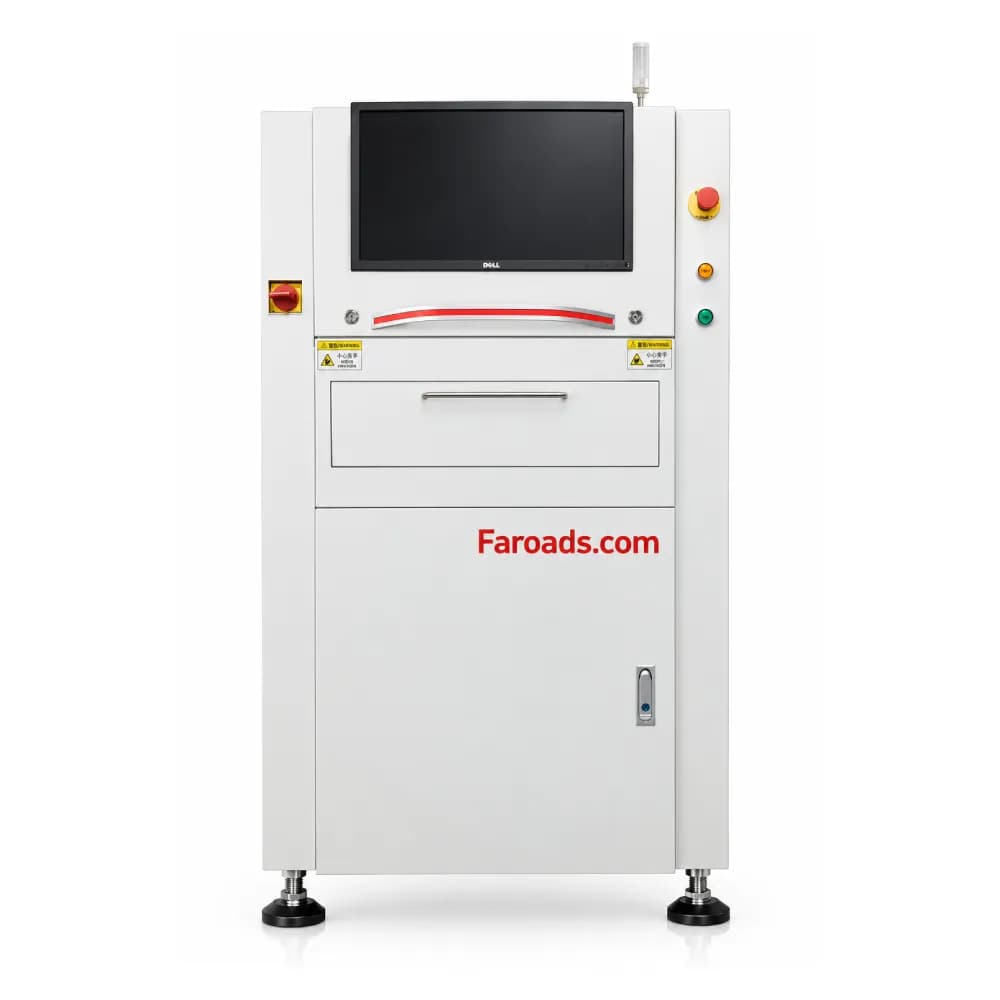
An inline AOI inspects every board in the same way, at line speed, and stores the result. It takes over the repetitive part of the job: confirming that each component is present, correct, in position and soldered.
It does not remove people from the process. Someone still reviews the boards the machine flags and decides which are real defects. Someone creates and tunes programs for each new product.
And some checks remain manual, such as through-hole joints that AOI cannot see from its position, cosmetic standards and odd-form parts. Plan these roles before the machine arrives; our guide to inline vs offline AOI covers where the review station and machine should sit.
An illustrative labor and coverage comparison
The figures below are illustrative, not measured data. Suppose your line produces a board every 30 seconds, or 120 per hour, and a careful manual check of your typical board takes about 75 seconds. Full coverage would need about three inspectors per shift. With fewer, you are sampling.
With an inline AOI, every board is inspected. One trained operator at the review station checks the flagged boards. How much of that person's time is needed depends on the false-call rate after programs are tuned, so ask suppliers to demonstrate it on your boards.
To compare costs, multiply the inspection positions saved per shift by your number of shifts and your fully loaded labor rate. Then add the cost of escapes you expect to prevent, such as rework, retest and customer returns. Compare that annual figure with the machine price, installation, programming time and maintenance.
Make the transition in stages
Switching inspection methods overnight is risky. A safer path:
- Run in parallel. Keep manual inspection while AOI runs on the same boards for a few weeks.
- Compare the findings. Record what each method caught and missed. Tune AOI programs where it missed real defects or raised too many false calls.
- Reassign people. Move inspectors to the review station, programming, and the manual checks AOI cannot do.
- Keep an audit. A small sample of boards inspected manually after AOI keeps both methods honest.
What to look for in your first AOI
For a first machine, ease of programming and review usually matter more than maximum resolution. Check how quickly a new product program can be created, how the review station shows defects, and what data is stored.
Then check the mechanical fit. Confirm the largest board size, the board thickness range, the clearance above and below the board for your tallest components, and the conveyor height of the stations either side. A machine that cannot take your biggest panel, or needs a conveyor adapter you did not budget for, delays the project before inspection even starts.
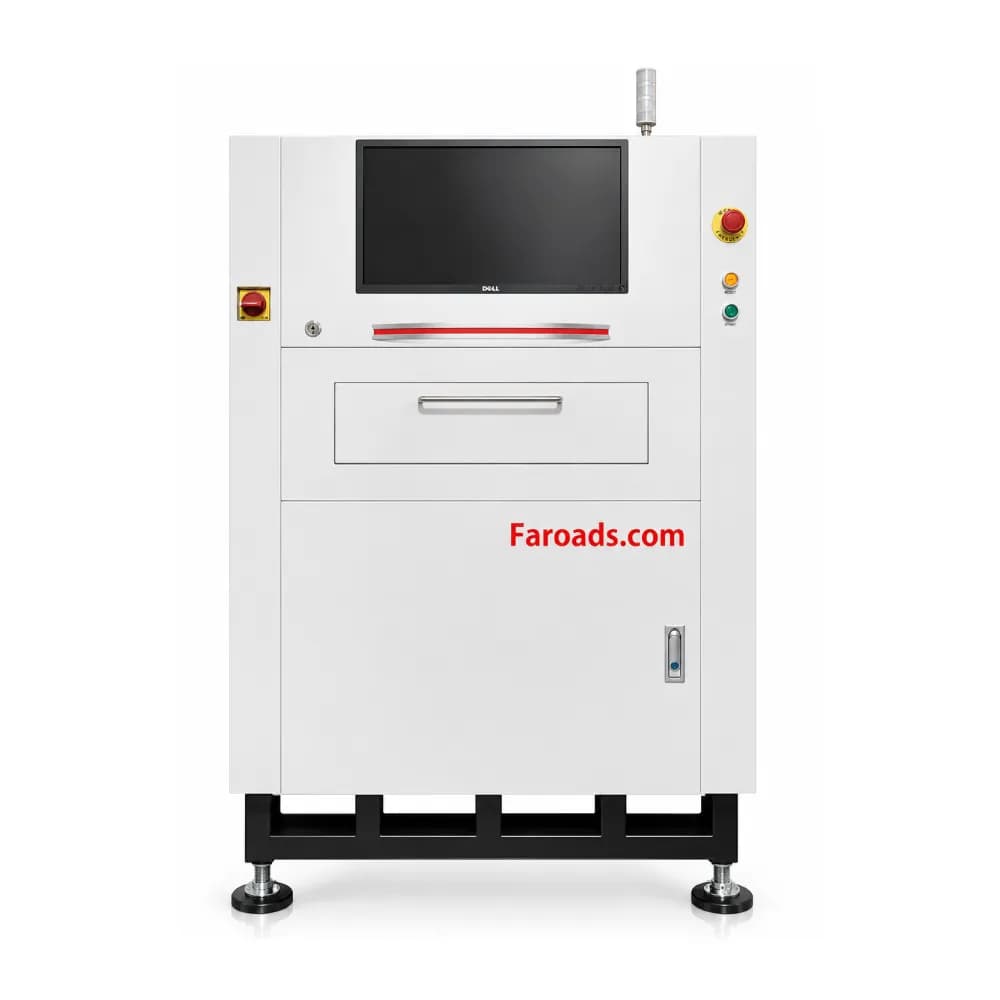
FAROAD's Inpex S510 inline 2D AOI lists an inspection speed of 230–300 ms per field of view, barcode recognition with automatic program selection, SPC data analysis and full-board image output for traceability. The AOI systems page shows the related double-sided projection model. Time your largest board to confirm it fits your line cycle.
Frequently asked questions
Will AOI eliminate inspection staff? Usually not entirely. It changes the work from looking at every joint to reviewing flagged boards, programming and handling the checks AOI cannot do.
Is AOI worth it for low volumes? It can be if customers require records or components are too small to judge reliably by eye. Otherwise, manual inspection may remain economical until volume rises.
How long does it take to program a new board? It depends on the machine, the component library and the operator's experience. Ask each supplier to program one of your boards during evaluation.
Can AOI check through-hole joints? A top-view AOI after reflow cannot see joints on the underside. Bottom-side inspection requires a machine with bottom projection or a separate check.
Plan your move to automated inspection
Share your board types, line rate and current inspection process with FAROAD. We will suggest an AOI configuration and a practical transition plan. Request a quote to begin.