SMT Line Cost: How to Build a Realistic Equipment Budget
Budget an SMT line by scope, facility work, ramp-up and running cost so quotations can be compared on equal terms.
5 min read
Ask ten suppliers what an SMT line costs and you will receive ten different numbers, often for ten different scopes. One quote may include feeders, inspection, board handling and on-site commissioning. Another may cover only a printer, a mounter and an oven. Neither number tells you what your project will actually cost.
A useful budget starts from the products you need to build and then adds every layer required to make that equipment productive. This guide explains how to structure that budget so finance, engineering and purchasing can approve the same figure, and so competing quotations can be compared fairly.
Why there is no single SMT line price
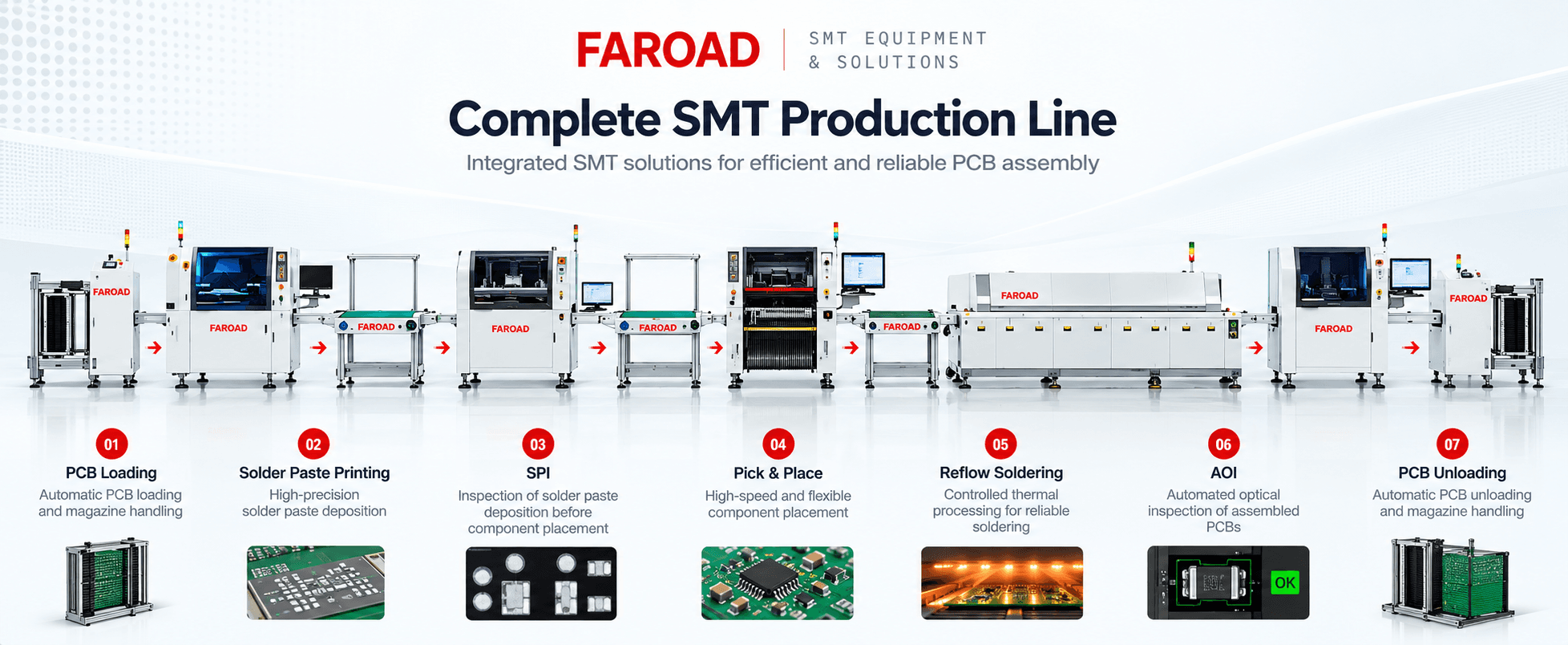
"SMT line" describes a process sequence, not a fixed product. A basic route might run from loading and printing through placement and reflow to unloading. Many factories add solder paste inspection before placement and optical inspection after reflow. The number of placement machines, the feeder count, the oven length and the level of automation all change with the product mix.
Published price ranges therefore have limited value for an approval decision. They rarely state the board size, component range, output target or service scope behind them. Treat any general range you find online as background, not as a budget line.
Start from the production requirement, not the machine list
Before collecting prices, write down what the line must produce. Include board dimensions and thickness, the full component range, placements per board, single- or double-sided assembly, expected volumes, shifts per day and the number of product changeovers.
That brief determines which machines are needed and how many. If capacity is still uncertain, settle it first; our guide to SMT line capacity planning covers how to model a realistic product mix and find the limiting operation. A budget built on an unverified capacity assumption will either overspend or fail to deliver the required output.
Split the budget into five layers
A clear structure makes gaps visible. Group every cost into one of these layers:
Process equipment. Printer, placement machines, reflow oven and the options each one needs for your products.
Inspection and data. SPI, AOI, programming software, traceability and any factory-system connection you require.
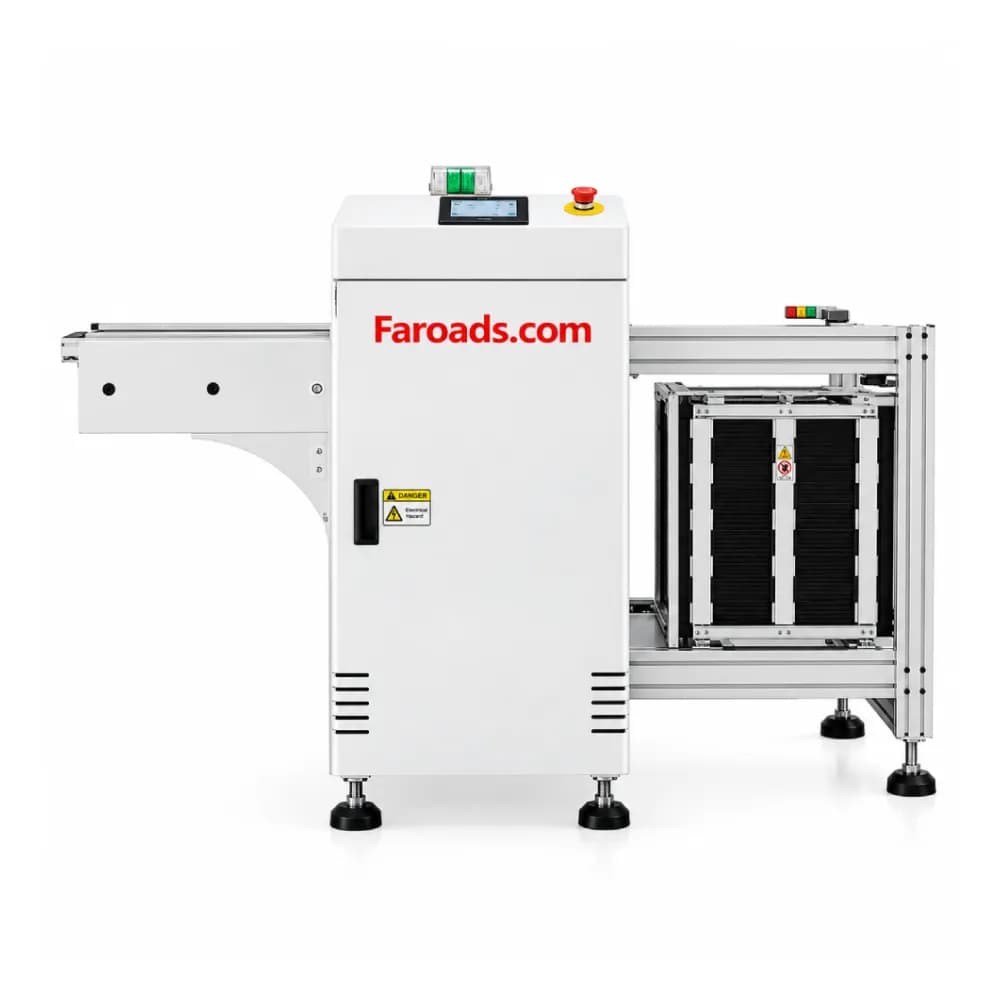
Board handling. Loaders, unloaders and any transfer equipment that connects the stations.
Facility and installation. Power, compressed air, exhaust, floor preparation, rigging, freight and on-site setup.
Ramp-up and operation. Training, early-production support, consumables, spare parts, maintenance and utilities.
Ask each supplier to map its quotation to these layers. Anything that sits in no column is either missing or assumed to be your responsibility.
Machines and options that change the quote
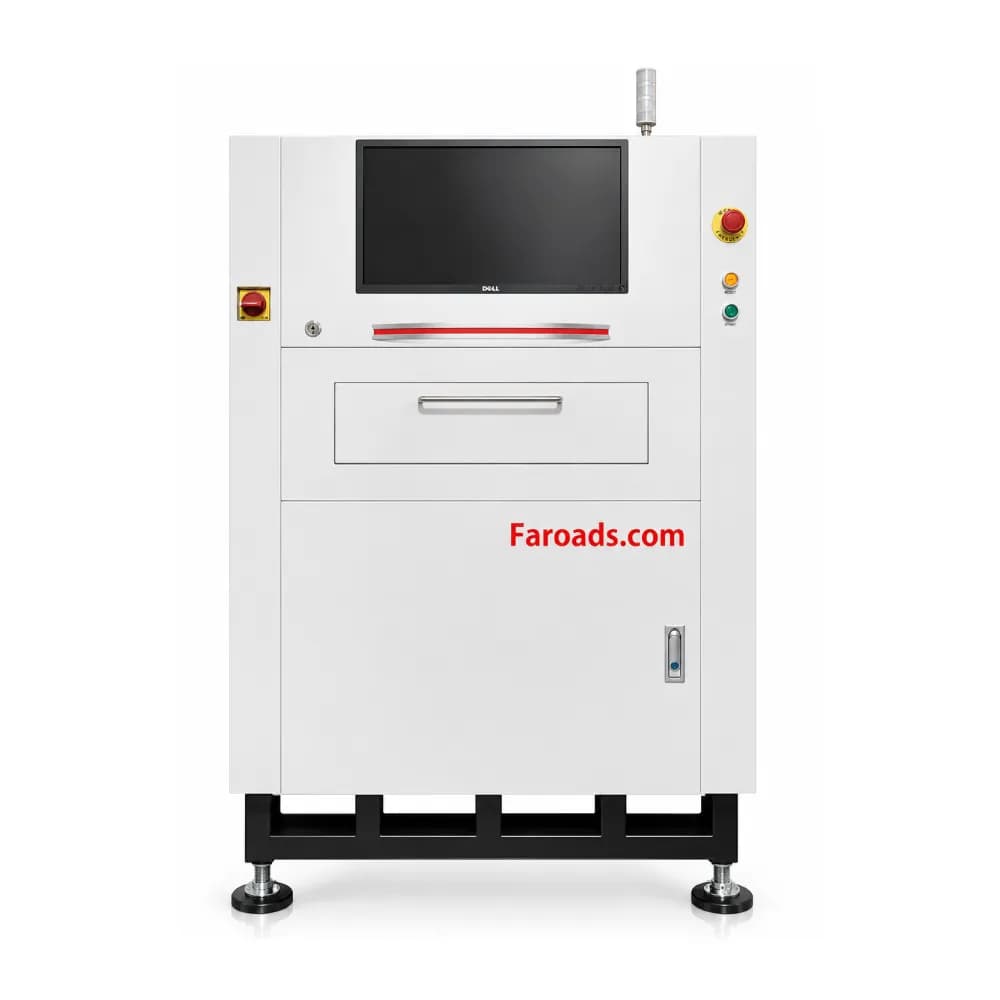
Within the equipment layer, a few decisions move the total more than others. Placement capacity and feeder quantity usually matter most, because they set how many machines you need and how many products can stay set up. Oven zone count, single or dual track, and an optional nitrogen package affect the reflow line item. Printer automation level and board-size range influence the printer price.
Inspection is often where scopes diverge. One proposal may include both SPI and AOI; another may defer inspection to a later phase. Neither is wrong, but the risk and coverage are different. Our comparison of SPI and AOI investments explains how to decide which stations your quality plan actually needs.
Board handling is easy to forget and easy to under-specify. Check that loaders and unloaders are sized for your magazines and boards, and that every connection between stations is accounted for.
Facility and installation costs outside the quotation
Many costs sit outside the equipment supplier's scope. These typically include electrical work from your distribution panel to each machine, compressed air supply and treatment, exhaust ducting for the oven, ESD flooring or workstations, lighting and climate control.
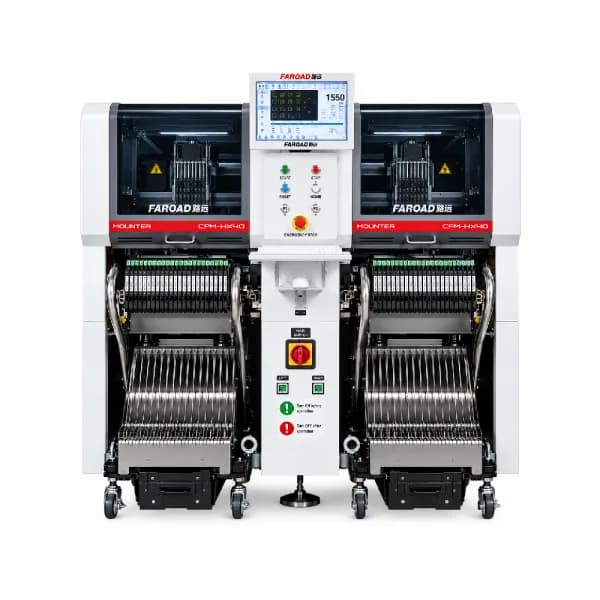
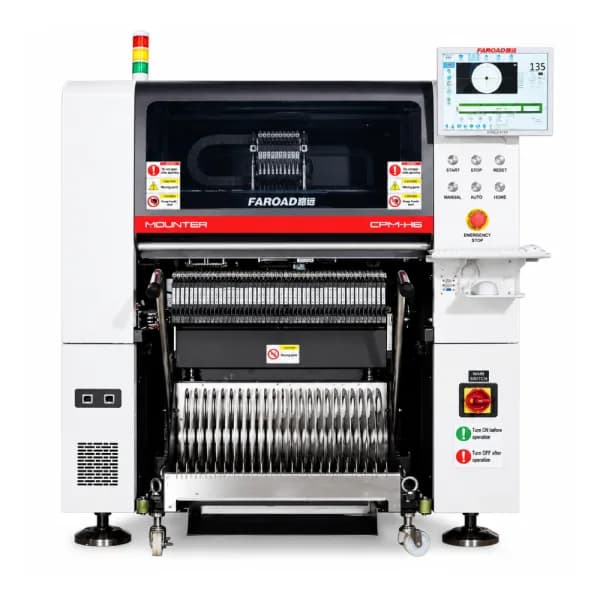
Freight, import charges, local delivery, rigging into the building and any facility modifications also belong in the budget. Published specifications help here: FAROAD placement machine and reflow oven pages list dimensions, weight and power supply data, and the placement machine pages also state compressed-air requirements, which your facilities team can use to plan floor loading, access routes and utilities. Your own electrician and facilities team should confirm what the building needs.
Commissioning, training and ramp-up
Ask what the quotation includes for installation and commissioning, and what is billed separately. Clarify who levels and connects the equipment, who creates the first programs and thermal profiles, and how many people will be trained.
Budget for the ramp-up period as well. New lines rarely reach their planned output immediately, and early production consumes engineering time, scrap boards and test runs. Leaving this out makes the first months look worse than the plan.
Running costs to include before approval
A capital budget that ignores operating cost can approve the wrong line. Include electricity, compressed air, nitrogen if used, consumables such as stencils and nozzles, preventive maintenance, recommended spare parts and software fees where applicable.
Ask suppliers for the utility data and recommended spare parts list for the quoted configuration. Then price those items with your own local rates rather than relying on general estimates.
An illustrative way to compare two quotations
The figures below are illustrative only. They are not FAROAD prices or market estimates.
Suppose Quote A is $400,000 and includes printer, two mounters, oven, SPI, AOI, loader, unloader and commissioning. Quote B is $340,000 and includes printer, two mounters and oven only.
To compare them, add the missing items to Quote B at your own estimated cost. If you estimate inspection at $70,000, handling at $20,000 and commissioning at $10,000, Quote B becomes $440,000 for a comparable scope. The apparently cheaper proposal is now the more expensive one. Repeat the exercise for facility work and the first year of running cost, which apply to both quotes.
The method matters more than the numbers: compare like-for-like scope, then decide.
Questions to settle before you approve the budget
Which products and volumes does the line need to support in its first two years?
Which inspection stations are required now, and which can be phased?
Which facility work is your responsibility, and who will quote it?
What training, documentation and early-production support is included?
Which spare parts should be on site before production starts?
Is a contingency line included for unknowns found during installation?
Frequently asked questions
How much does a complete SMT line cost? It depends on the products, output target, inspection coverage and automation level. A responsible estimate requires board and component details. Request a configured proposal rather than relying on a general range.
Is the placement machine the largest cost? It is often the largest single equipment item, but feeders, inspection, handling, facility work and ramp-up can add substantially. Budget the full scope.
Can I phase the investment? Yes, if the plan states what each phase covers and what risks remain until the next phase. Make sure later additions will fit the layout and connect to the existing line.
Should I include running costs in a capital request? Include them alongside it. Utilities, consumables, maintenance and spare parts affect whether the investment delivers the expected return.
Request a budget-ready line proposal
FAROAD configures complete SMT lines around board size, component mix, volume, factory space and existing equipment. Send your board data, BOM, output target and facility details, and request a quotation with each item listed separately so it fits directly into your budget structure.